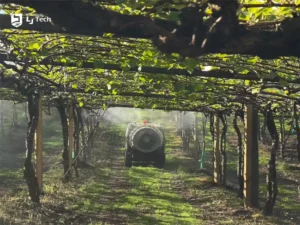
Autonomous Orchard Sprayer: Choosing Robotic Spraying For Hilly Commercial Groves
Why traditional orchard spraying creates hidden costs for growers
Many commercial fruit growers face repeated frustrations during pest‑control seasons. For one thing, skilled spray crew members are hard to hire and keep, especially in remote hilly growing zones. Even experienced workers cannot maintain perfectly consistent spray coverage hour after hour.
In addition, steep slopes, muddy soil and tight tree rows limit what older tractor‑pulled sprayers can accomplish. Workers also face ongoing health risks from direct chemical exposure during long spraying shifts.
As a result, many orchard operators waste pesticide, miss critical treatment windows, and absorb higher labor bills each growing year.
An autonomous orchard sprayer solves many of these recurring pain points by moving repetitive field work onto robotic hardware. Unlike one‑function machinery, well‑designed ground robots adapt to variable real‑world orchard conditions instead of forcing growers to adapt their farms to machines.
What practical features should you look for in an autonomous orchard sprayer
Shopping for robotic orchard equipment can feel confusing at first. Not every autonomous orchard sprayer handles narrow rows, slopes or weak‑GPS locations equally well. Below are four down‑to‑earth points to evaluate before your purchase.
1. Terrain adaptability for hilly or uneven ground
Above all, pay close attention to chassis performance if you manage sloped orchards. Tracked platforms perform far better than wheeled units over wet soil, small rocks and gradient ground. Without reliable terrain handling, your robot may get stuck and delay urgent spray schedules.
2. Navigation performance under tree canopy
Satellite signals often drop out underneath thick fruit‑tree canopies. Therefore, choose units built with multi‑sensor fusion navigation rather than GPS‑only positioning. This function lets the machine keep running autonomously even inside dense orchard blocks.
3. Remote monitoring and simple digital controls
Next, consider how you will supervise robot jobs from outside the tree rows. A tablet‑controlled orchard spraying robot lets one operator oversee multiple machines at the same time. Real‑time status alerts notify you when tanks run low on pesticide or fuel, so you avoid unplanned field stops.
4. Multi‑task flexibility beyond spraying
Many growers gain extra value from robots that swap attachments. For instance, some autonomous spray robots also complete mowing or light material transport between spray cycles. Higher equipment utilization spreads your investment across more daily orchard jobs.
The S1000 is now making its mark at Tek Flex in the USA
Real‑world gains of deploying an autonomous orchard sprayer
Matching robot capacity to your orchard size keeps total‑cost‑of‑ownership reasonable. Lanjiang Tech builds ground robotic systems targeted at small‑scale plots, medium‑density groves and large commercial estates.
S450: entry‑level autonomous orchard sprayer for small‑to‑mid‑size blocks
S500Pro: mid‑range robot for high‑density planting layouts
S1000: flagship autonomous orchard sprayer for large‑acreage commercial orchards
When matched properly to your site conditions, robotic spray hardware creates measurable operational improvements. First of all, it lowers direct human exposure to crop‑protection chemicals for your field team. Furthermore, consistent automated application reduces over‑spraying and cuts down on pesticide waste.
In addition, autonomous machines can keep working through day‑time heat or during short valid spray windows. Your staff can shift focus to higher‑value tasks like fruit thinning, quality checking and market preparation. Even so, robots still need human oversight, regular sensor cleaning and routine preventive maintenance to stay dependable.
Unmanned Orchard Sprayer Robot S450
Orchard Autonomous Sprayer S1000
Orchard Autonomous Sprayer S500Pro
Smart Farm Platform
Final thoughts before investing in robotic orchard spraying
Robotic spraying is not a “one‑size‑fix‑all” magic solution for every farm. Nevertheless, an autonomous orchard sprayer delivers clear advantages if you fight labor shortages or manage hilly, densely‑planted fruit blocks.
When you evaluate different robotic spray options, look beyond upfront purchase price alone. Total value includes real‑world terrain performance, reliable navigation, long‑term after‑sales support and accessible spare‑part availability.
For this reason, pay close attention to full‑lifecycle service from your equipment provider. Strong after‑sales care, operator training and preventive maintenance help keep downtime low and improve your long‑term return on investment.
Live field demonstrations remain one of the best ways to judge real‑world performance for your unique orchard layout. If you want to watch real‑field footage of these robots working in apple‑orchard conditions, click the link in our solutions page.